How Mahindra Became SUV Leader (2018–2025)
Introduction
Around 2017–18, the passenger vehicle division of Mahindra & Mahindra was not in a strong position. The company still had a legacy reputation in tractors and utility vehicles, but urban buyers were shifting toward more modern and premium-looking cars from Maruti Suzuki, Hyundai, and Kia. Mahindra’s passenger vehicles were seen as durable but not aspirational.
Within a few years, however, the perception changed dramatically. Waiting periods crossed months, launch events created nationwide demand, and its SUVs began dominating conversations across Indian auto communities. The Mahindra turnaround strategy transformed the company from a utility-vehicle manufacturer into a lifestyle automotive brand and repositioned it as India’s SUV specialist.
This case study explains how the company executed that shift between 2018 and 2025.
The Problem Phase (2016–2019)
Before the turnaround, Mahindra faced a classic brand-positioning crisis.
The company relied heavily on models such as the Bolero and Scorpio, which were strong in semi-urban and rural markets but struggled in metropolitan segments. Younger buyers preferred refined design, interiors, and technology features. Mahindra products were considered practical rather than desirable.
Key issues included:
ageing product lineup
weak appeal in premium urban markets
limited success in sedans and hatchbacks
falling visibility in comparison to competitors
At the same time, the Indian car market itself was changing. Buyers were no longer purchasing only for price and mileage; they were purchasing for identity and experience. This shift meant Mahindra could no longer compete as a generalist automaker.
The company needed a focused positioning, not incremental improvement. That became the foundation of the Mahindra turnaround strategy.
Strategic Shift: The Core Moves
1. SUV-Focused Positioning
Instead of competing with established hatchback leaders, Mahindra narrowed its focus to a single category: SUVs.
This was a strategic decision. Rather than trying to be present in every segment, the company chose to own one. SUVs are aligned with its historical strength in rugged vehicles and off-road engineering. The decision effectively removed direct competition with Maruti in small cars and allowed the brand to build a clear identity.
By concentrating resources on one category, product development cycles improved, and brand messaging became simpler. Consumers began associating Mahindra with capability and adventure rather than basic transport.
This focus was one of the most important elements of the Mahindra turnaround strategy.
2. Product-Led Growth
The next move was not marketing — it was engineering.
Mahindra invested heavily in product development and platform technology. Instead of releasing minor facelifts, the company launched entirely redesigned vehicles:
Mahindra Thar (2020)
Mahindra XUV700
Mahindra Scorpio‑N
These launches marked a clear break from earlier design language. They introduced:
premium interiors
improved ride quality
advanced infotainment systems
driver-assistance technology
The vehicles were not positioned as budget alternatives. They were positioned as aspirational purchases. The success of these products showed that the Mahindra turnaround strategy relied primarily on product strength rather than advertising expenditure.
3. Platform Strategy
Another important element was modular architecture. Mahindra developed scalable vehicle platforms that could support multiple models. This approach reduced development costs per vehicle and accelerated launch timelines.
The benefit was consistency. Each new vehicle felt modern, and buyers began trusting upcoming launches even before reviews were available. In business terms, the company transitioned from individual product success to a repeatable product system.
Marketing Strategy
The marketing approach differed from traditional automobile campaigns.
Community Marketing
Mahindra built an owner ecosystem. Off-road clubs, road trips, and enthusiast groups created organic visibility. Buyers were not only customers but participants in a brand community.
Social media amplified this effect. User-generated photos and videos acted as continuous promotion without heavy advertising budgets.
Scarcity Marketing
High demand created waiting periods. Instead of discounting vehicles, Mahindra maintained pricing discipline. The scarcity increased perceived value and reinforced the premium positioning.
Emotional Branding
Advertising emphasised exploration and independence. Rather than focusing on mileage or price, campaigns focused on experience. The Mahindra turnaround strategy, therefore, shifted communication from utility to lifestyle.
Product Strategy: Utility to Aspiration
A major insight behind the turnaround was a change in consumer aspiration.
Indian buyers increasingly preferred premium features. Mahindra responded with:
panoramic sunroofs
connected car technology
ADAS safety systems
high-quality interiors
For example, the XUV700 introduced driver assistance features previously seen only in expensive vehicles. This allowed Mahindra to attract both value buyers and premium buyers simultaneously.
The brand moved from “tough vehicle” to “desirable SUV”.
Electric Vehicle Strategy
The next phase of the Mahindra turnaround strategy involved electric mobility.
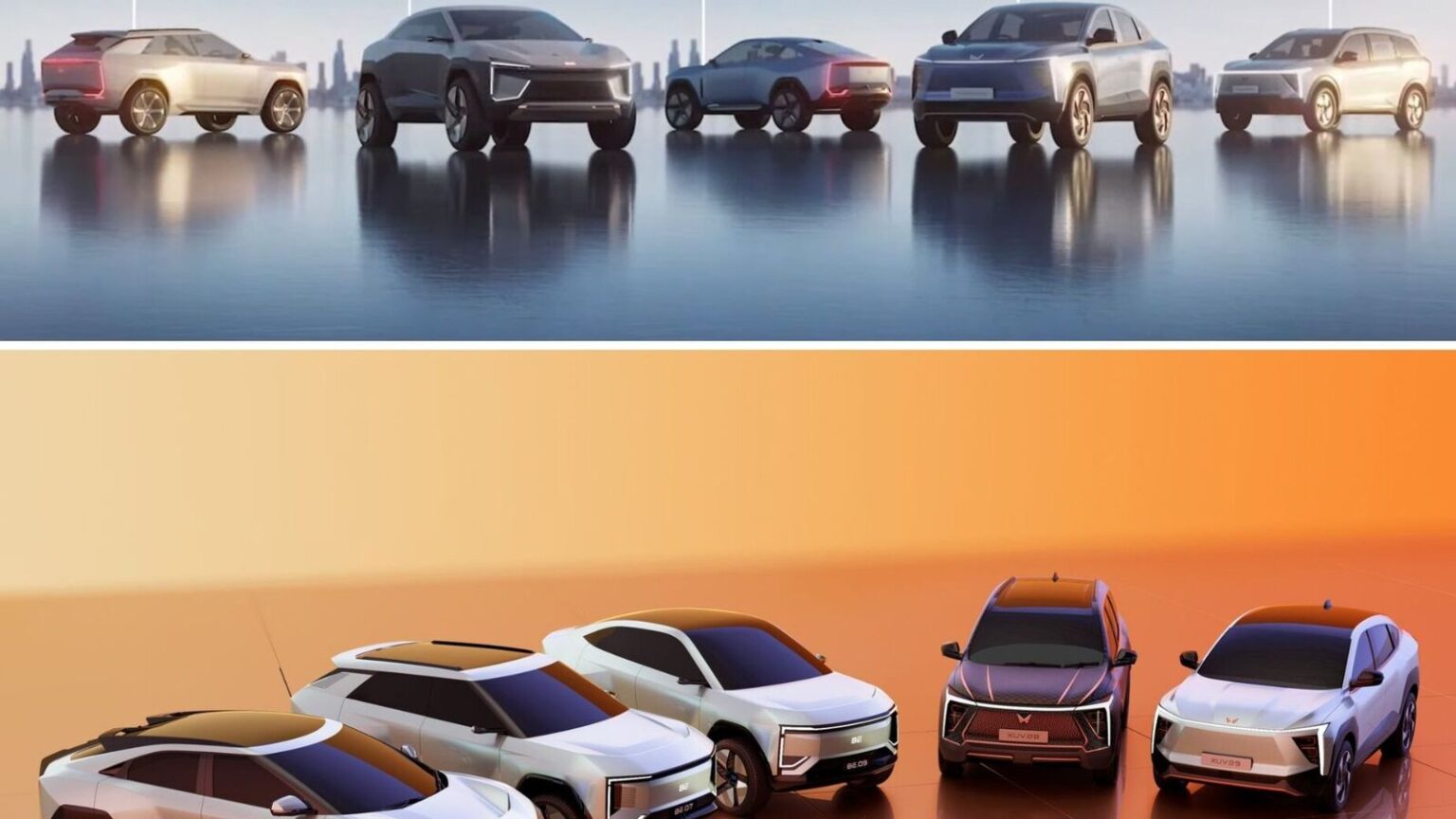
The company launched the Mahindra XUV400 EV and announced a dedicated electric platform often referred to as the Born Electric architecture. Instead of converting petrol models, Mahindra planned purpose-built electric SUVs.
This move positions the company for future demand as regulations and urban usage patterns evolve.
Results of the Turnaround
The measurable outcomes of the Mahindra turnaround strategy were visible across multiple indicators:
record booking volumes after launches
long waiting periods across major cities
improved brand perception
strong share in the SUV category
More importantly, consumer perception shifted. The brand was no longer considered only functional. It became aspirational, particularly among younger buyers.
Business Lessons from Mahindra
The case offers several lessons relevant to startups and growing companies.
1. Focus beats diversification
Trying to serve every segment diluted earlier efforts. Concentrating on SUVs clarified the brand.
2. Product quality drives marketing
A strong product reduces advertising dependency.
3. Brand repositioning is possible
Even established perceptions can change with consistent execution.
4. Communities outperform campaigns
User groups generated trust faster than paid promotions.
5. Premiumization works in India
Consumers are willing to upgrade if the value is clear.
The Mahindra turnaround strategy demonstrates that positioning and product decisions matter more than promotional activity.
FAQ
Why did the Mahindra Thar become successful?
It combined nostalgic design with modern usability, making it both lifestyle and practical.
Why is the Scorpio-N popular?
It retained a rugged identity while offering comfort and technology expected in modern SUVs.
How did Mahindra revive its automobile business?
Through focused positioning, new platforms, and product-led launches.
What is Mahindra’s competitive advantage?
Strong SUV engineering heritage combined with aspirational branding.
Is Mahindra investing in electric vehicles?
Yes, through dedicated EV platforms and new SUV launches.
Want to know why Jeep failed in India